Use Cases

Payment Screening

Screen senders, beneficiaries, bank accounts and crypto addresses for sanctions risk in a single API call.

Overview

Screen all payment participants with one API call.

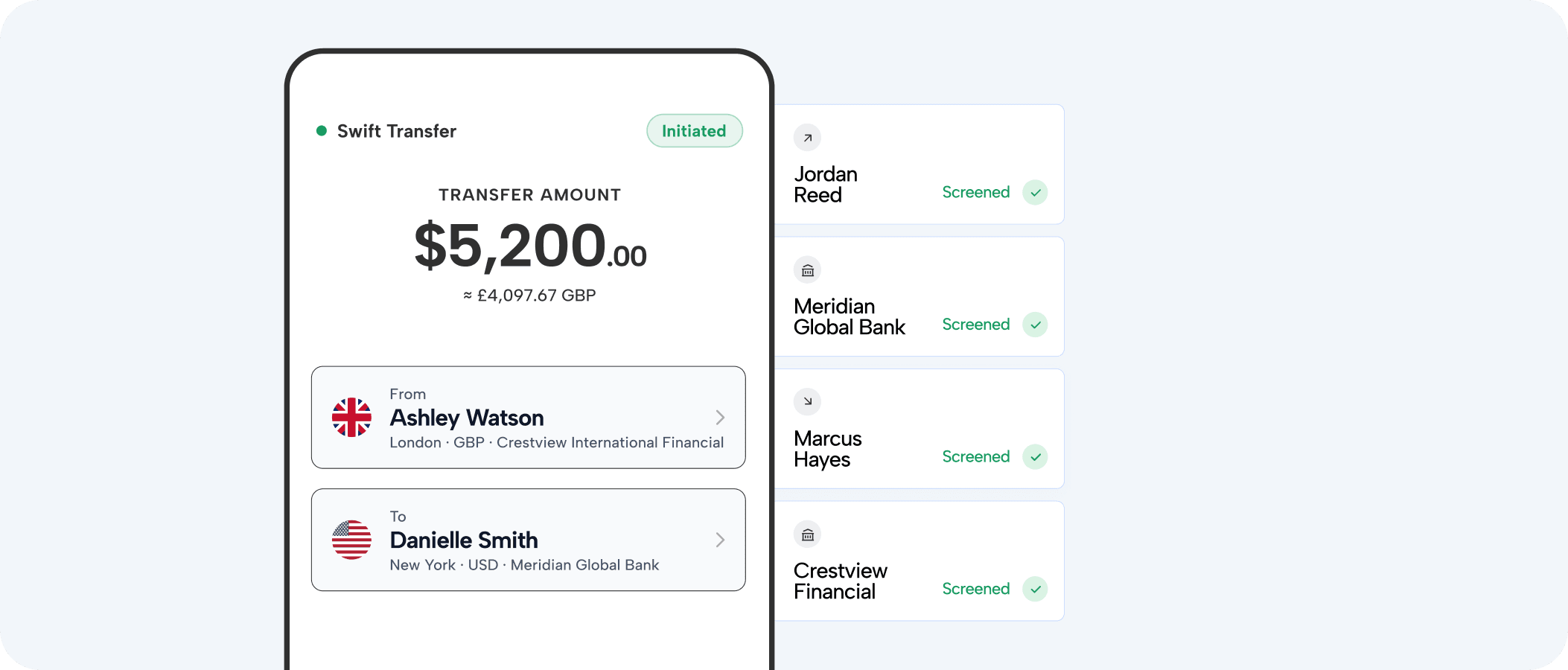
Delivering identity intelligence for every payment participant without the latency and complexity of legacy multi-call approaches. Socure’s single API architecture simplifies routing logic while keeping policies consistent across every payment, reducing friction without sacrificing compliance.

Our smarter screening goes beyond name matching to truly understand identity. Granular, flexible controls replace blanket policies, giving you unmatched accuracy and adaptability across every corridor, payment type, and regulatory requirement.

100%
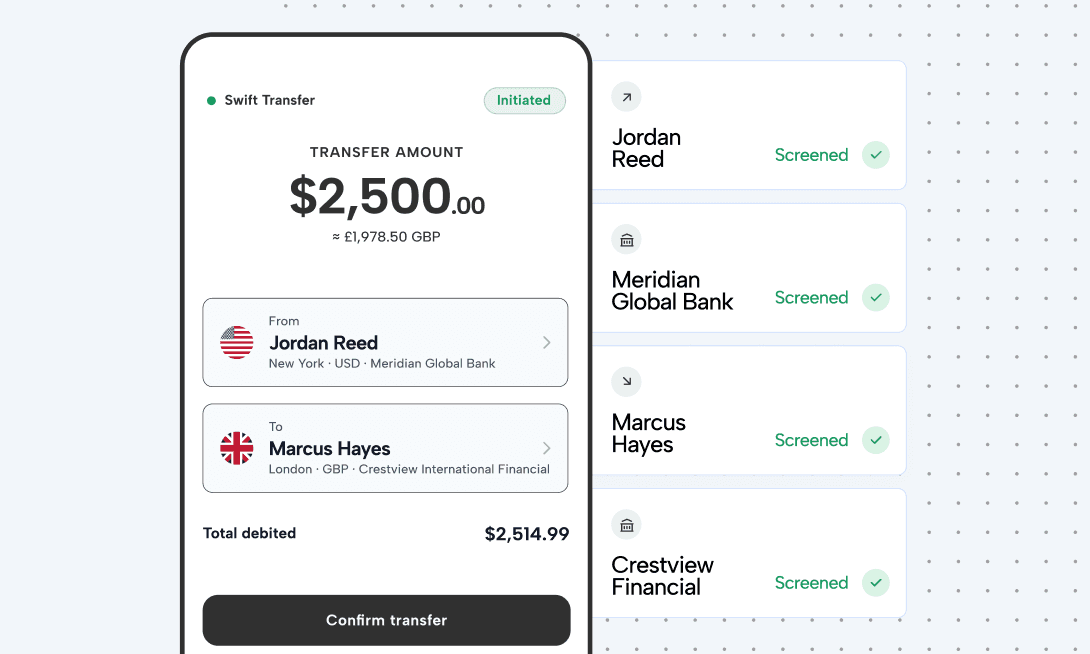
Parties in each payment screened in a single API call
Real time
Typical end-to-end decision time for payment screening
60–80%
Reduction in false positives versus legacy name-only tools

The single-API decision layer for payment screening.
Frame 1000008944 (5)
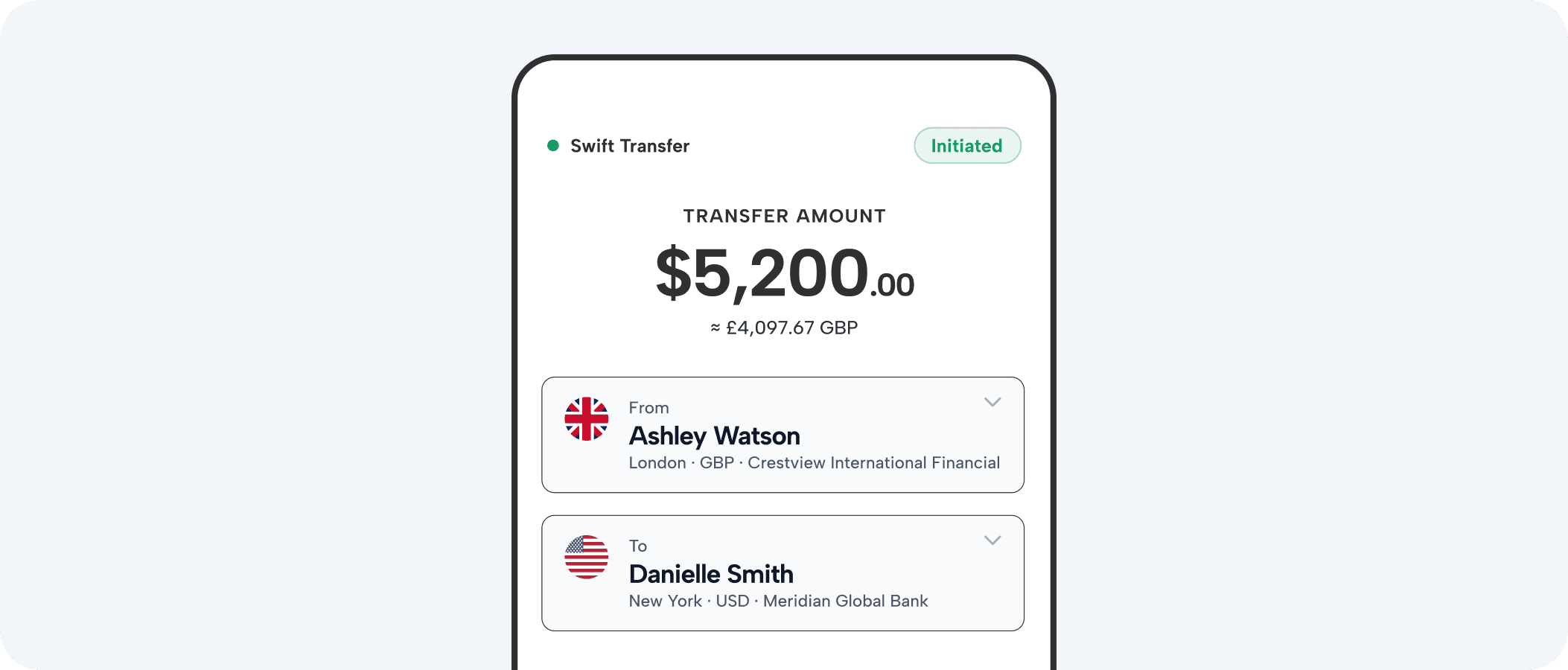
Payer initiates remittance transfer
Capture normalized party data
Trigger single API call
Apply granular corridor controls
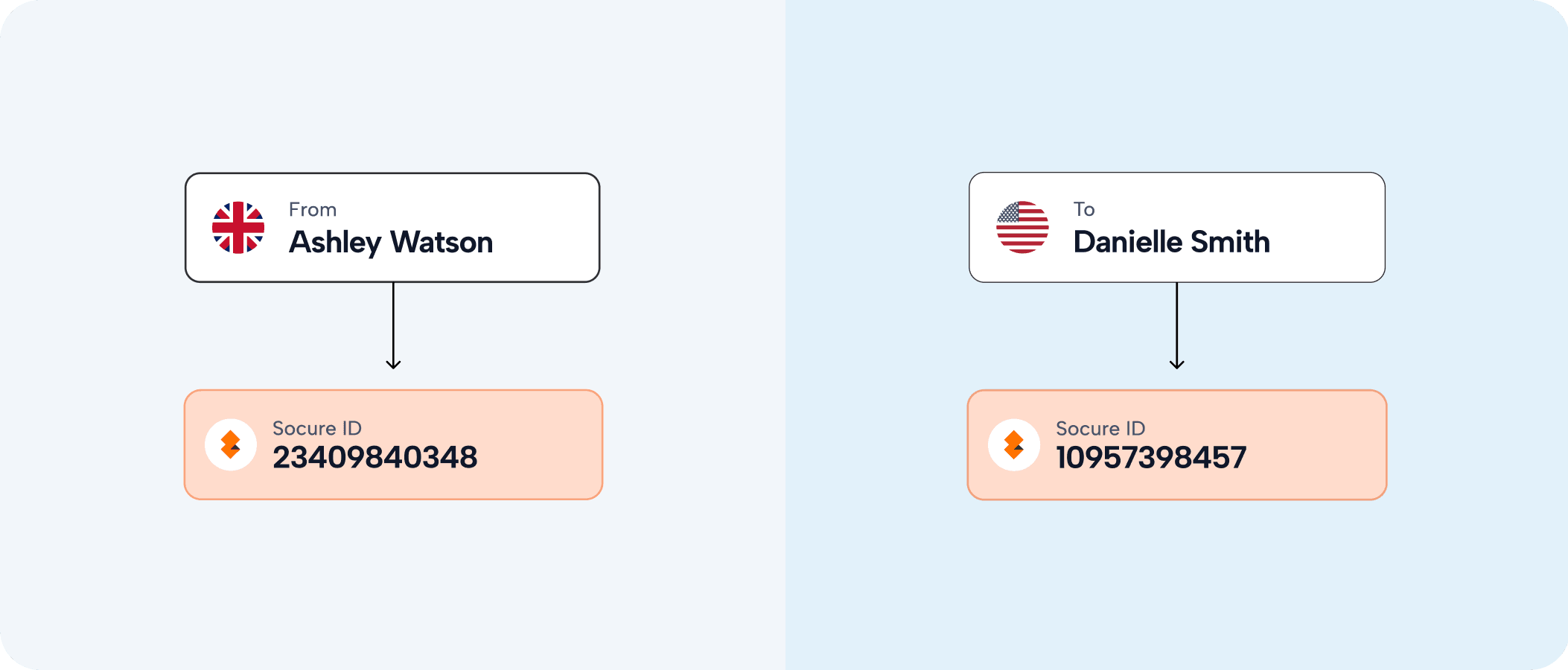
AI resolves persistent identities
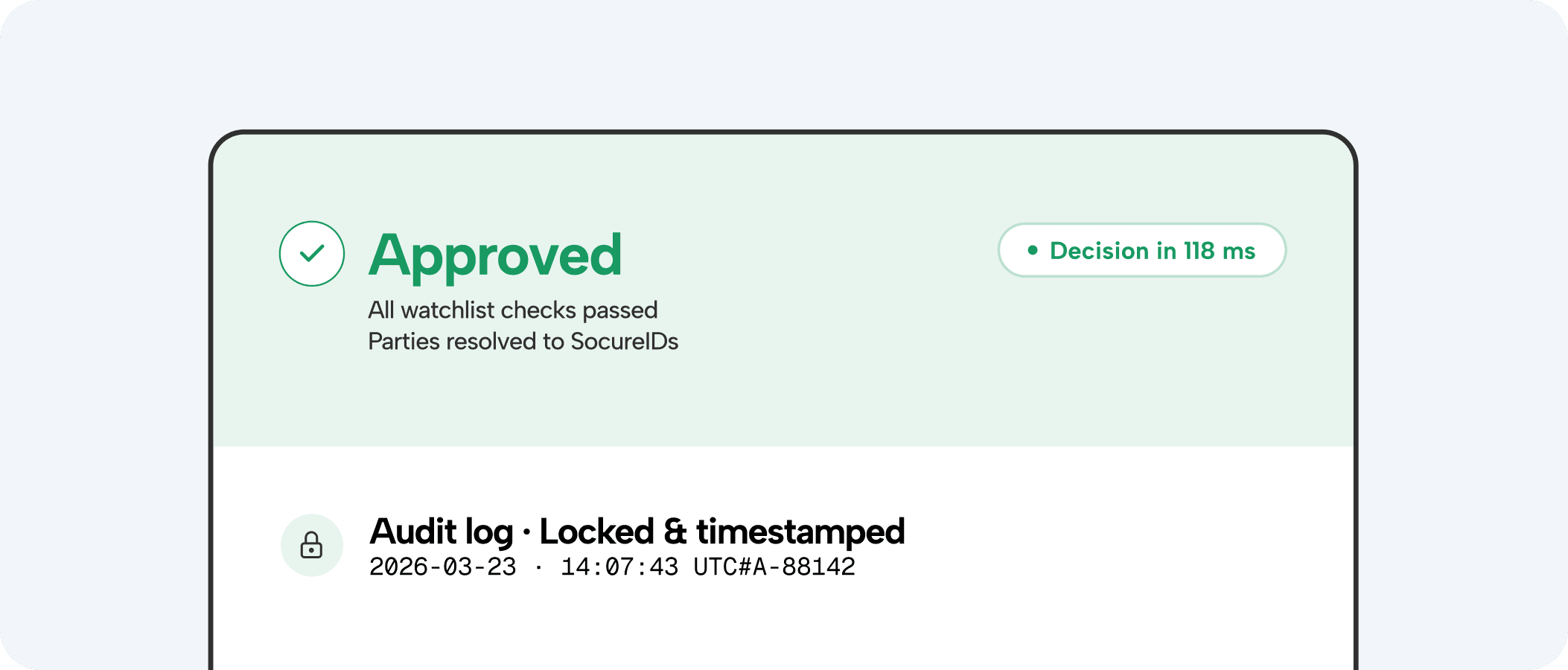
Instant, audit-ready decision delivered
Use Cases

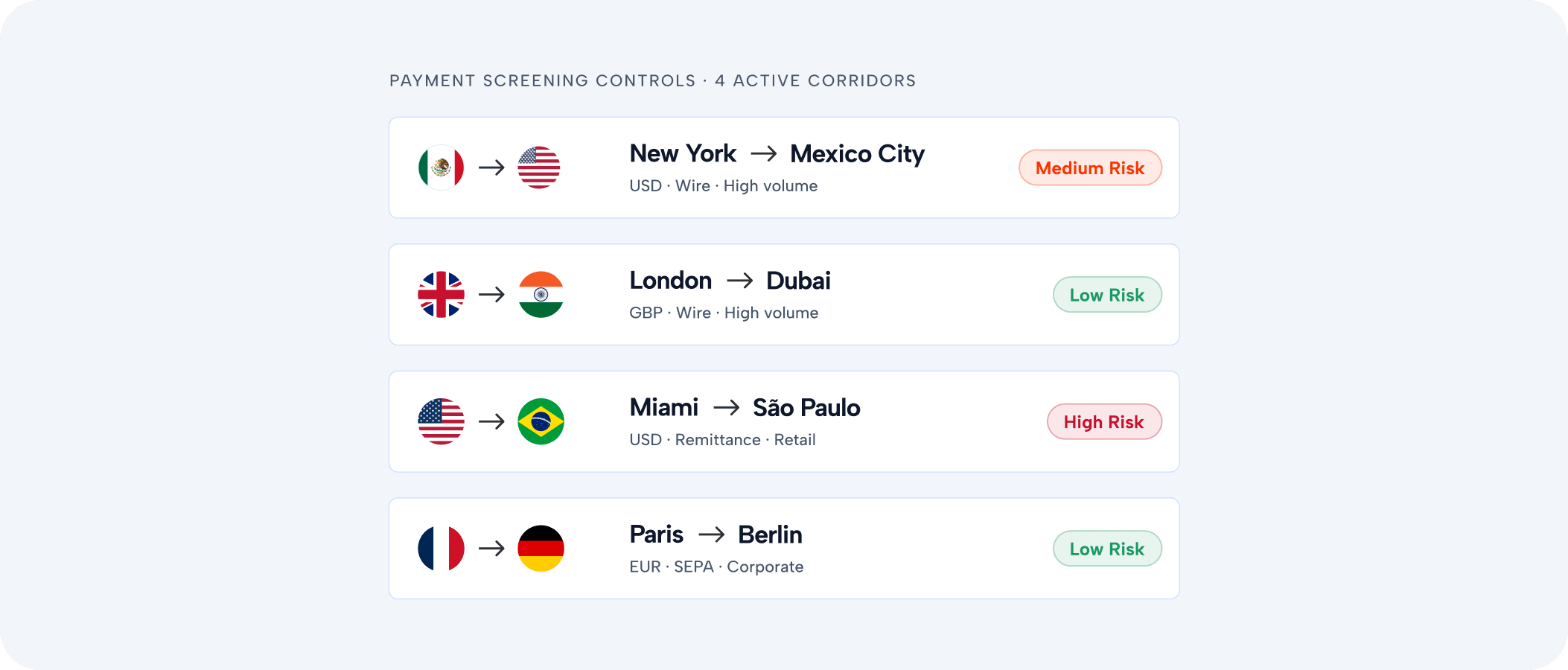
Manage granular screening controls for each use case and jurisdiction

Select sanctions lists, set matching thresholds, apply country or date of birth filters granularly for each jurisdiction, risk segment, product line and more, for seamless, global compliance at scale.

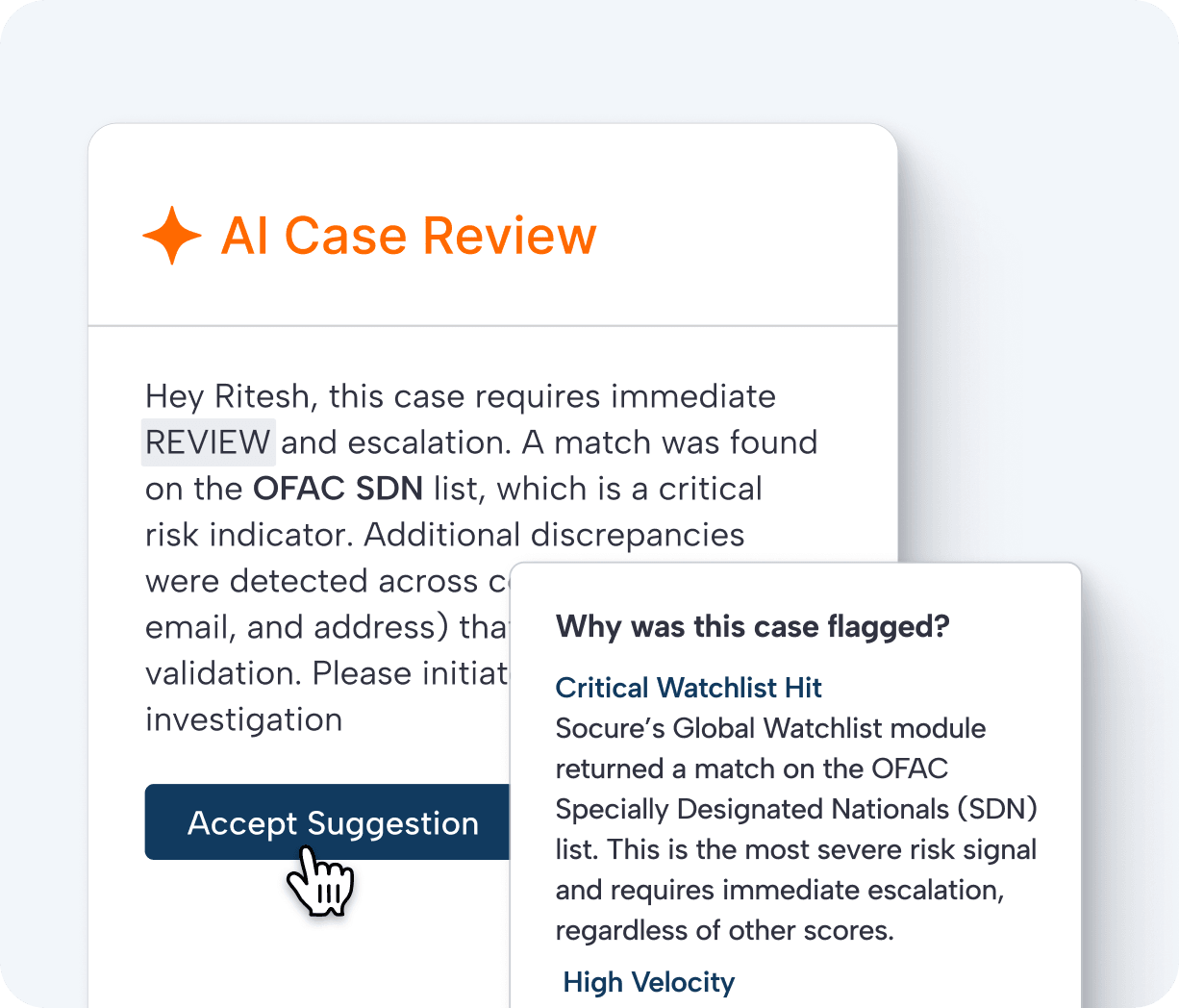
AI Case Analyst

Reduce case review time by up to 80%  using AI-generated summaries, explanations, and recommendations  to accelerate watchlist and payment screening investigations while maintaining full control and a clear, auditable decision trail.
Frame 1000008104

Frequently Asked Questions

What is Socure Payment Screening?

Socure Payment Screening is a real-time watchlist control that runs at the point of payment. It checks every relevant party in a transaction against required lists and turns those checks into clear, automated approve, review, or block decisions before funds move.

How does Payment Screening stop risky payments before funds move?

Payment Screening evaluates senders, recipients, and involved financial institutions against sanctions and other required watchlists in in real time. Screening runs fully in line with the transaction, so compliance checks are completed before funds leave the account, not after settlement.

Which payment use cases and data fields does Payment Screening support?

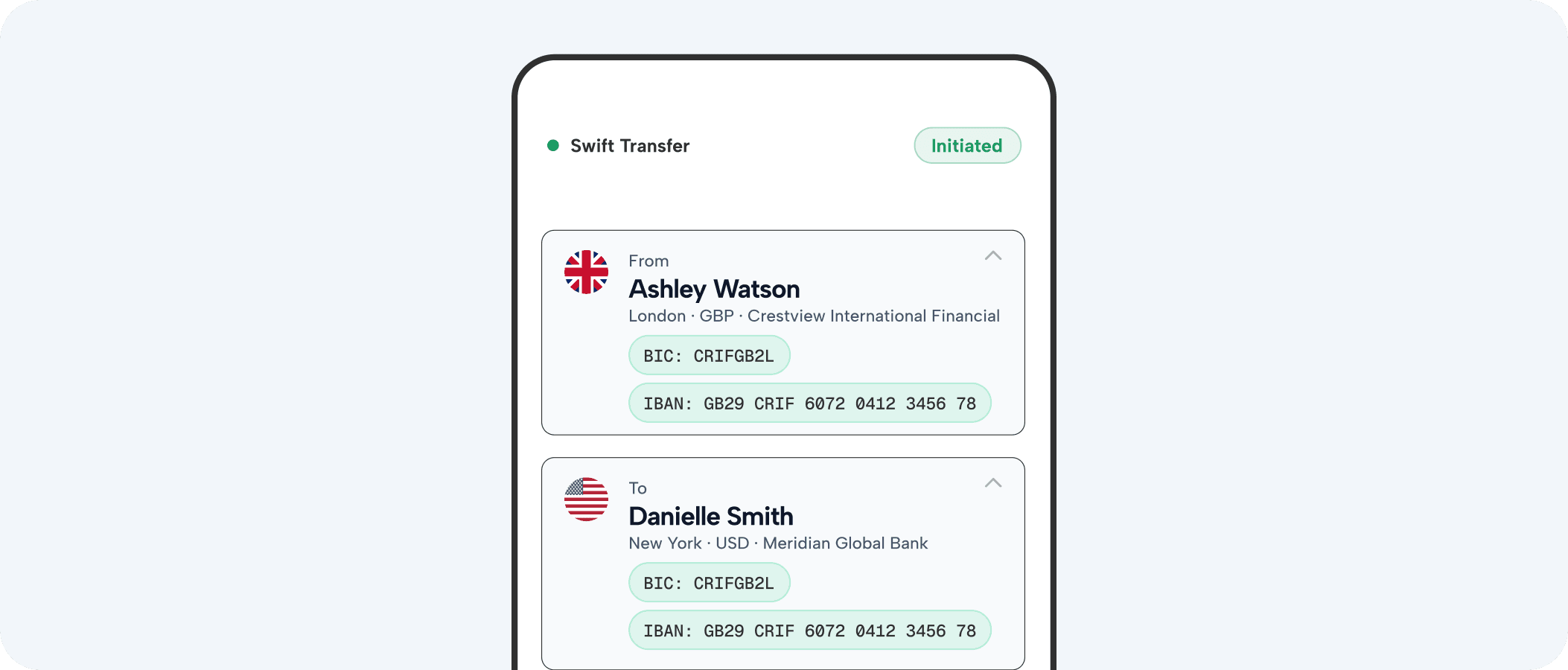
Payment Screening supports a wide range of consumer and commercial flows, from one-off payments to recurring disbursements. It can screen fields such as individual name, date of birth, business name, financial institution name, bank identifier code, IBAN, and crypto address. Because it operates on standardized identity and account fields rather than a specific network, it can be used across different rails and channels.

How does the single API call work, and why does it matter?

Socure Payment Screening evaluates every relevant party and identifier in a payment through a single API request. In that one call, RiskOS orchestrates checks for senders, beneficiaries, intermediaries, bank identifiers, payment instruments, and wallets, then returns a consolidated decision in real time. This single-call pattern simplifies integrations, reduces latency, and helps keep policies consistent and auditable compared with legacy tools that require multiple APIs per party, list, or flow.

What granular policy controls can teams configure?

Teams can define watchlist policies that vary by entity role (sender, beneficiary, intermediary), payment corridor, jurisdiction, and available input data. RiskOS policies can adjust match thresholds, filters, and actions based on risk level, so higher-risk corridors receive stricter screening while low-risk flows avoid unnecessary noise. This flexibility helps balance global coverage with manageable alert volumes.

How does advanced identity resolution improve payment screening?

Payment Screening applies identity resolution to connect each payment participant to a persistent identity when possible. This links every payment back to a broader risk history instead of treating each transaction as an isolated event. Compliance teams can see a complete timeline of activity and recurring patterns, which supports faster, more informed decisions.

How is Payment Screening different from legacy name-only tools?

Legacy tools typically rely on simple text-string name matching, which generates noisy alerts and low-precision hits. Socure combines dual scoring (name plus entity correlation), field-aware parsing, and identity-centric models to dramatically reduce false positives. This lets teams spend more time on genuine risk rather than chasing obvious non-matches.

How does Payment Screening work with RiskOS?

Payment Screening becomes fully actionable through RiskOS workflows. Scores, matches, and narratives feed into automated approve, hold, or block decisions. RiskOS then unifies alerts and historical context into a single case so analysts work from one view, with standardized review steps across payment products and minimal engineering effort.

How does Payment Screening reduce false positives and alert fatigue?

By combining identity-centric matching, entity linkage, and dual scoring, Payment Screening filters out low-probability matches and clear false positives. It helps distinguish unknown-but-legitimate customers from truly risky entities. As a result, analysts focus on a smaller, higher-quality set of alerts instead of every near match or thin-file party.

Why is Payment Screening important for customers?

Payment Screening gives customers confidence that high-risk or sanctioned parties are stopped before money moves. This helps reduce fraud, chargebacks, and investigation costs, while genuine users move through payment flows and checkout with minimal friction across channels and products.

What does Payment Screening unlock for Socure customers?

Payment Screening adds a powerful payment-specific workflow to RiskOS. It introduces transaction-level risk signals that extend Socure beyond onboarding decisions and into live payment flows and ongoing monitoring, creating a more complete view of risk across the customer lifecycle.

Does Payment Screening support instant payment rails?

Yes. Payment Screening is designed for sub-second decisioning so compliance checks remain invisible to end users on instant rails. RiskOS can automatically approve low-risk transactions within strict time limits set by each customer, ensuring mandatory screening does not become a bottleneck for real-time payment products.

How does Payment Screening support transparent, audit-ready compliance?

Each flagged transaction includes granular scores and descriptive narratives that explain why it was matched. RiskOS then bundles payment details, identity linkage, and prior alerts into a single case view. Together, these outputs provide clear, defensible evidence for internal reviewers and external regulators.

How configurable is Payment Screening across products, customers, and regions?

RiskOS lets teams configure no-code workflows by product, customer segment, and jurisdiction. Payment Screening can be combined with KYC, KYB, device, and behavioral signals in a single policy canvas. This allows organizations to tune thresholds, actions, and routing to their specific regulatory and business requirements.

How does Payment Screening relate to existing screening tools?

Socure is designed to consolidate onboarding, payment screening, and ongoing monitoring in one platform. A single integration can replace multiple legacy APIs and overlapping vendor contracts. This unified, identity-centric approach reduces technical overhead, duplicate alerts, and total cost of ownership.

How does Payment Screening handle unknown or thin-file parties?

When payment participants have limited digital footprints, Payment Screening still evaluates identity integrity using Socure’s identity graph and dual scoring. This helps separate legitimate low-data customers from truly high-risk entities, so teams are not overwhelmed by alerts on every unknown party.

What should teams emphasize when talking about Payment Screening?

Customer-facing teams should highlight three core points:

  • Identity-centric matching that cuts false positives and improves alert quality
  • Real-time watchlist controls at the point of payment, before funds move
  • Seamless integration with RiskOS to manage risk from onboarding through payments and monitoring in a single platform
Resources

Our latest digital identity and fraud insights

imageGTM_Payment Screening Blog_Thumbnail
Compliance

Socure launches real-time payment screening to modernize financial compliance

Read now

See how it works for your payment flows